Hygrothermal & 3D Thermal Modelling of the EZY FIT Green Loft Insulation System
How dynamic moisture modelling helps de-risk low-carbon insulation retrofits
As part of the UK’s transition to low-carbon housing, loft insulation upgrades are often seen as a simple win. In practice, however, insulating at ceiling level can significantly alter a building’s moisture balance—particularly in older or retrofitted homes. Without careful design, this can increase the risk of condensation, mould growth, and timber decay.
Ecosophy Studio was commissioned by EZY FIT
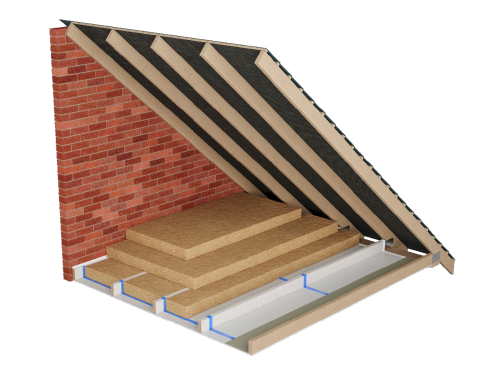
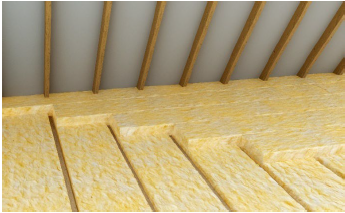
to carry out a detailed hygrothermal performance assessment of their Green Loft System, using dynamic heat and moisture modelling. The system comprises of IndiBreathe Flex hemp-and-jute-based insulation batts, pressure filled in-between and over the timber joists, and IndiTherm hemp insulation slabs, attached to the loft hatch at ceiling level of a pitched roof.
The study evaluated how the system performs across different UK climates, indoor moisture loads, and membrane strategies, providing robust, evidence-based guidance for safe installation.
Why hygrothermal modelling matters
Traditional condensation risk checks based on steady-state methods (such as the Glaser method) are limited in their ability to represent real buildings. They do not account for moisture storage, capillary transport, air leakage, or changing climate conditions.
For this project, we used the WUFI® software family in accordance with BS EN 15026, enabling us to model transient heat and moisture movement through the loft build-up over a five-year period. This “dynamic” approach allows us to:
- Assess moisture accumulation and drying potential over time
- Capture seasonal effects and short-term moisture events
- Test worst-case scenarios, including imperfect airtightness
- Compare alternative vapour control strategies realistically
What we assessed
The analysis focused on two critical areas:
- Hygrothermal conditions in the cold loft space
- Performance of the insulated flat ceiling build-up
Performance was evaluated against recognised criteria, including limits on timber moisture content, relative humidity thresholds, and long-term moisture balance.
3D thermal modelling
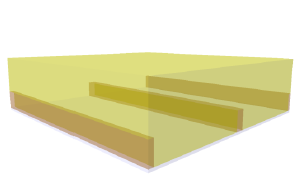
In parallel, 3D thermal modelling using TRISCO was undertaken to optimise the system design, assess thermal bridging effects, and calculate realistic in-use thermal transmittance. Thi analysis provides EZY FIT and their clients with a realistic picture of in-use thermal performance of the system
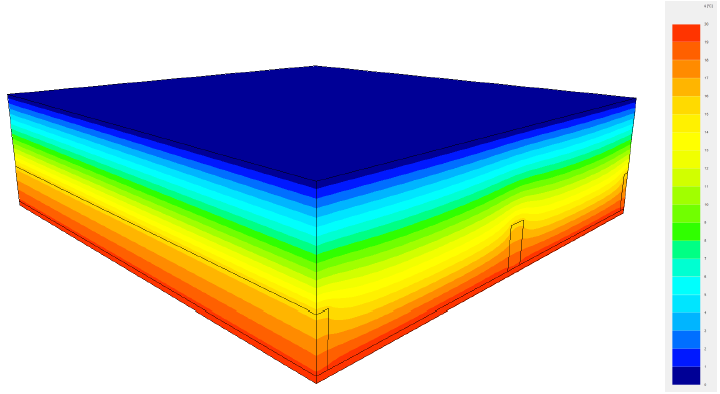
This assessment demonstrates how our approach with a combination of dynamic hygrothermal modelling and high precision 3D thermal modelling can support innovative, low-carbon insulation systems helping designers, manufacturers, and installers make informed decisions with confidence.
At Ecosophy Studio, we usehigh-end simulation tools not just to identify risks, but to unlock safe, buildable solutions that balance energy performance, moisture safety, and durability.
If you’re developing or specifying insulation systems, or working on complex retrofit projects, we’d be glad to support you.