Moisture Risk Assessment of Internal Wall Insulation at the Allen Gallery
Managing moisture risk in the retrofit of historic solid-wall buildings
Retrofitting historic and traditional buildings presents a delicate balance: improving thermal performance while safeguarding the long-term health of the building fabric. Internal wall insulation (IWI), in particular, can significantly alter moisture behaviour in solid walls—introducing risks to embedded timber elements, finishes, and masonry if not carefully designed.
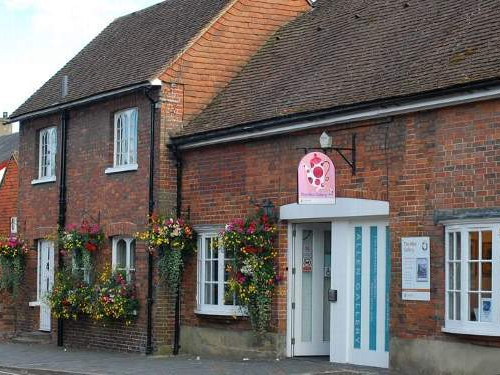
Ecosophy Studio collaborated with Beyond Carbon to undertake a hygrothermal performance assessment of proposed internal wall insulation strategies for The Allen Gallery, a historic building located in Alton, Hampshire. The study used in-situ material testing and dynamic hygrothermal modelling to assess moisture risk, hygrothermal behaviour, and safe insulation limits across multiple wall types and orientations.
The building and retrofit strategy
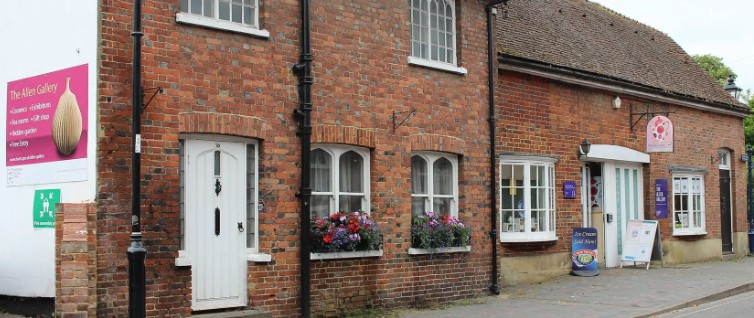
The Allen Gallery is a historic solid-wall building with a complex construction history, comprising multiple wall types formed over different periods of development. The external walls are predominantly solid masonry, constructed using traditional brickwork with lime-based mortars, and include variations in brick type, thickness, and exposure. These characteristics are typical of pre-1919 buildings and result in highly moisture-active fabric that relies on vapour permeability and drying rather than moisture exclusion.
The building also incorporates later extensions with differing construction forms, including cavity walls, introducing further variability in hygrothermal behaviour across the envelope. In addition, wall orientations range from north-east to south-west, leading to significant differences in exposure to wind-driven rain and solar radiation—both critical drivers of moisture movement and drying potential.
The proposed retrofit strategy involved the internal application of Diasen Diathonite Thermactive 0.37, a vapour-permeable insulating plaster. Given the heritage context and the moisture-sensitive nature of the existing fabric, the primary aim of the assessment was not simply to maximise insulation thickness, but to determine safe, moisture-resilient limits for each wall type while protecting embedded timber elements and maintaining the building’s ability to dry.

Why hygrothermal modelling was essential
Traditional buildings rely on vapour-permeable materials and natural drying mechanisms rather than modern moisture barriers. Introducing insulation can disrupt this balance by altering the temperature of the existing masonry, reducing drying potential, and—particularly in the case of wet-applied systems—introducing significant built-in moisture to the construction.
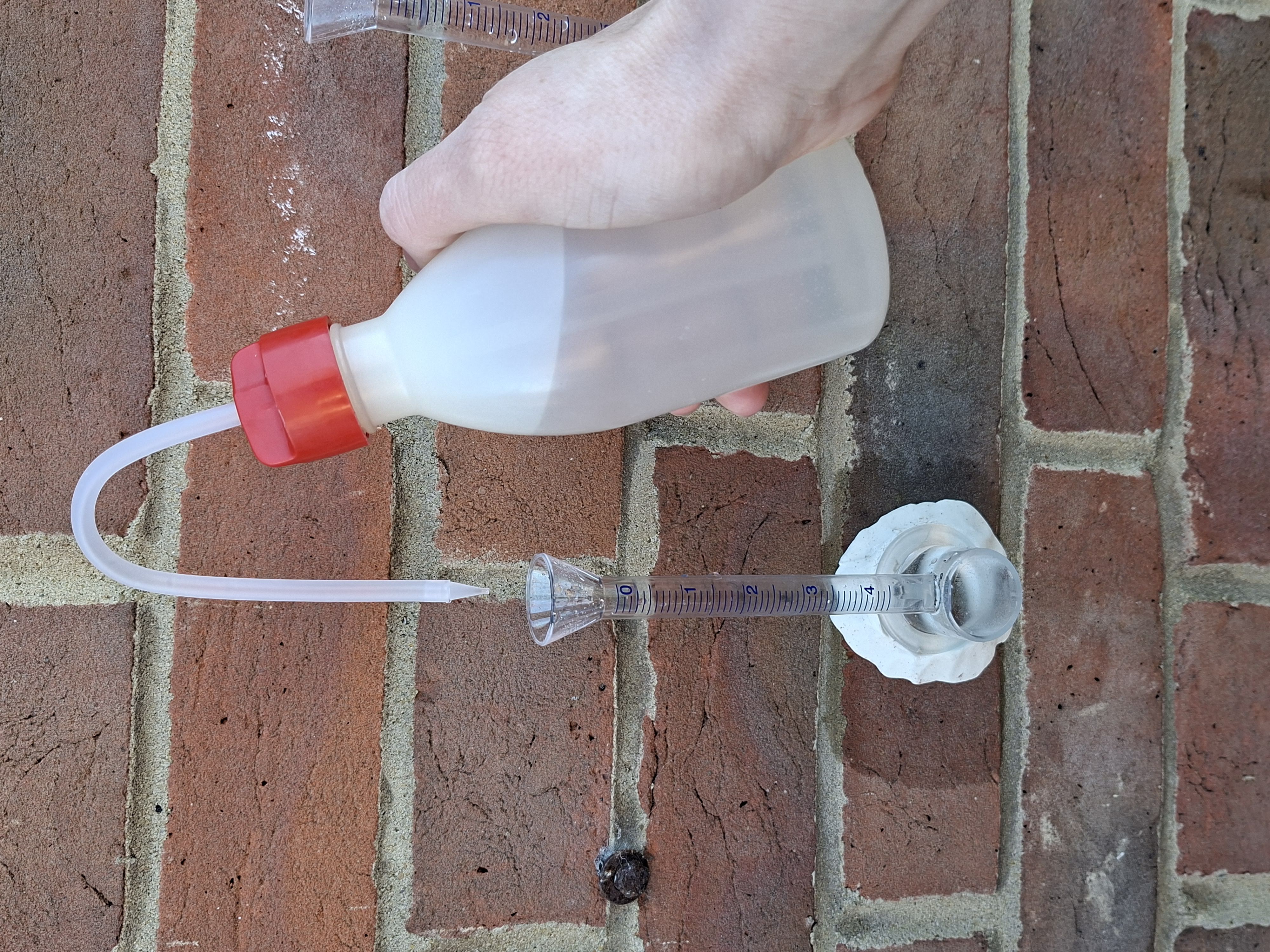
To capture these effects realistically, the assessment was carried out using the WUFI® software family in accordance with BS EN 15026, allowing transient simulation of heat and moisture transport. To improve modelling accuracy, in-situ Karsten tube testing was undertaken to determine the water absorptivity of the existing brickwork, enabling material properties in WUFI® to be calibrated to the actual building fabric.
This approach allowed the project team to move beyond generic rules of thumb and evaluate actual moisture risks specific to the building.

What was assessed
Key objectives of the study were to:
- Determine the maximum feasible insulation thickness for each wall type
- Assess the risk of timber decay at embedded joist ends
- Evaluate the impact of built-in moisture from the wet-applied insulation
- Identify opportunities for improved performance where alternative IWI systems may be more appropriate
The analysis focused primarily on:
- Relative humidity levels at embedded timber joist ends, where rot risk is highest
- Drying time and moisture peaks during the initial post-installation period
- Differences in performance between wall types, orientations, and construction eras
Rather than relying solely on condensation criteria, the assessment used rot-risk thresholds derived from timber moisture content equivalents, recognising that prolonged high humidity can be damaging even in the absence of visible condensation.
Supporting responsible retrofit of historic buildings
This project demonstrates how detailed hygrothermal analysis can enable meaningful energy upgrades while respecting the constraints of traditional construction. It also highlights the importance of avoiding one-size-fits-all insulation materials and thicknesses when retrofitting historic buildings.
By combining site testing with dynamic modelling, Ecosophy Studio supported design decisions that reduce risk—not just on paper, but in real buildings over time.